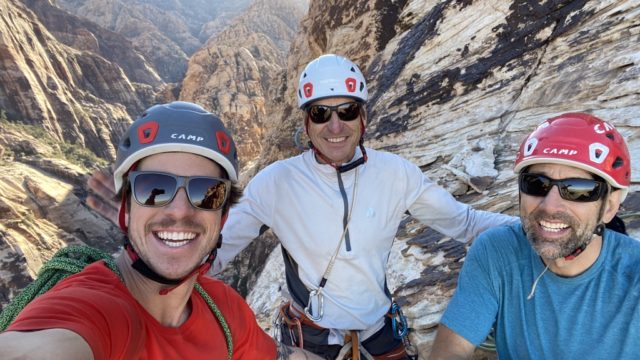
Reaching the summit of Mt. Everest in 2001 was a momentous achievement for me and my teammates. Our efforts had shown the tremendous power of teams and the ability to reshape what is possible.

As I descended through the Khumbu icefall for the last time and down into basecamp, our team leader, PV, pulled me aside. Expecting a slap on the back and a request to sign his cap, I was taken aback when he earnestly said, “don’t make Everest the greatest thing you ever do.”
PV saw down the tunnel of time to the room where we place our trophies and accolades. “That room,” he said, “becomes a museum, even worse, a mausoleum.” His prophetic words were not lost on me, nor my teammates. Summits are not just moments to pound our chests and fill our resume. The real stuff happens on the side of the mountain, and when we descend into the valleys where people live and work to share what we’ve learned through our struggle.
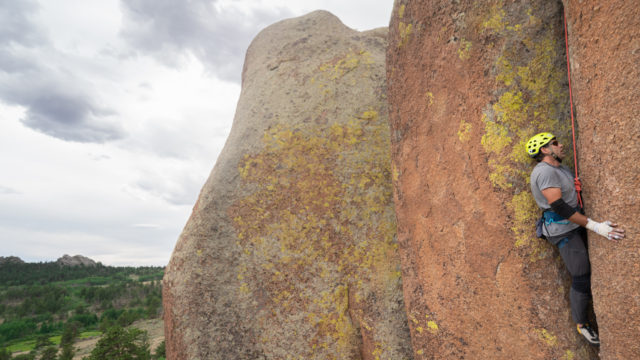
My team and I wanted to see if this experiment could continue on, whether the mountains could transform the lives of others. In 2009, the wars in Afghanistan and Iraq were raging; We were compelled by the similarities between climbing and military service: preparation, camaraderie, adventure, fear, trust, risk. Millions of veterans were coping with service-related injuries, both mind, and body. After coming home, many veterans were feeling disconnected and alone, experiencing a loss of purpose, identity, and community.
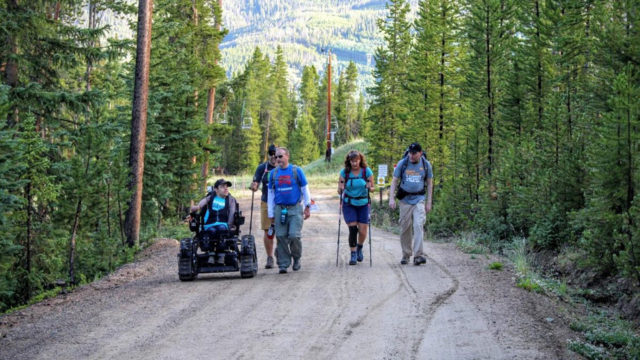
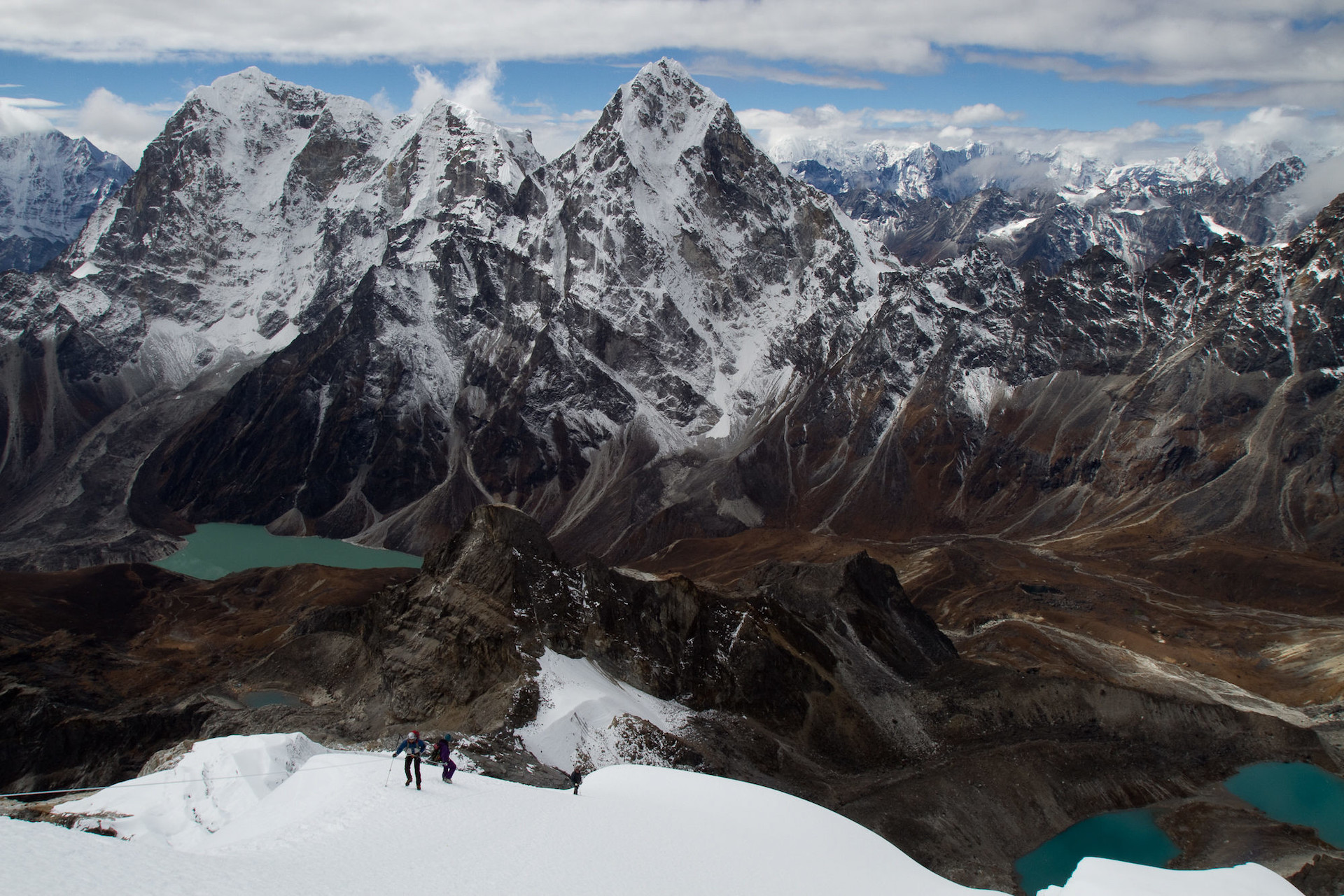
Ten years ago we started our No Barriers Warriors program to serve this population. Our first objective was ambitious – to bring a team of injured Veterans to summit Lobuche, a 20,075-foot peak in Nepal. The journey was chronicled by the award-winning documentary, High Ground by filmmaker and my Everest teammate, Michael Brown.


Today, the need is as great as it’s ever been. Veterans are 1.5 times more likely to die by suicide than Americans who never served in the military, at a rate of about 17 Veterans a day committing suicide. These are not abstract numbers to me. In 2016, my friend and Marine, Dan Sidles, tragically took his own life. I remember sitting in a Himalayan Teahouse with Dan when he said, “I’ve lived through so much on the battlefield; I’ve survived so much. So why do I feel numb inside?”

At the time, I didn’t have an answer, but over the last decade, through a hundred expeditions with hundreds of participants, we’ve been building the insights to help veterans heal, find their summits, transform their lives, and give back to the world.

Here’s to celebrating 10 years of No Barriers Warriors. We’re poised for at least 10 more!
Learn more about No Barriers Warriors programming here and be sure to tune in to our No Barriers Podcast, featuring Veterans stories through the month of November.
All Photos Courtesy of Didrik Johnck